A colonial port that time preserved
Port Tobacco Village stands today as one of Maryland’s most remarkably preserved colonial settlements, offering visitors and residents alike a tangible connection to the state’s earliest days. Founded in the mid-1600s, this Charles County community once served as a thriving port along the tidal tributaries of the Potomac River, its wharves bustling with tobacco hogsheads bound for European markets. At its peak in the 18th century, the town functioned as the county seat and a vital commercial hub, home to shipbuilders, merchants, tavern keepers, and the legal professionals who conducted business in the brick courthouse that still anchors the village today.
The settlement’s decline began as the Port Tobacco River silted in during the 19th century, cutting off maritime access and shifting commerce elsewhere. Yet this economic downturn inadvertently preserved the town’s colonial character. Without the pressures of industrial development or modern commercial expansion, Port Tobacco retained its historic footprint, streetscapes, and architectural fabric. Walking through the village center reveals a rare glimpse of pre-Revolutionary Maryland, with structures dating to the 1700s and archaeological sites that continue to yield artifacts from daily life centuries ago. For homeowners drawn to historic settings and those who value authentic craftsmanship, Port Tobacco’s colonial legacy inspires a deep appreciation for meticulous restoration and period-appropriate building techniques.
Traditional building methods that endure
The architectural heritage visible throughout Port Tobacco reflects building traditions that shaped the Chesapeake region for generations. Colonial-era structures here display hallmark features of 18th-century Tidewater construction: Flemish-bond brickwork, hand-hewn timber framing, steep gable roofs designed to shed the area’s frequent summer rains, and brick chimneys built to withstand the damp climate. Many surviving buildings incorporate locally fired brick and timber milled from the dense hardwood forests that once blanketed Charles County. These materials, chosen for durability and availability, have proven their worth across three centuries of freeze-thaw cycles, hurricane-force winds, and the humid summers typical of southern Maryland.
Homeowners in and around Port Tobacco today often seek to honor this architectural legacy when updating their properties. Period homes require specialized knowledge: repairing mortar without damaging historic brick, replacing rot-damaged sills while preserving original framing, or updating kitchens and bathrooms in ways that respect the scale and character of centuries-old floor plans. A skilled remodeler familiar with traditional construction methods can navigate the balance between modern comfort and historical integrity, ensuring that renovations enhance livability without erasing the craftsmanship that defines these structures. During the mild spring and fall months, when humidity drops and outdoor work proceeds smoothly, many property owners schedule exterior repairs, window restoration, and foundation work that protects these irreplaceable buildings for future generations.
Rural character meeting modern family needs
Beyond the village center, Port Tobacco’s broader influence extends across the surrounding rural landscape of Charles County. Family-owned farms, woodland tracts, and low-density residential parcels create a distinct sense of place that appeals to those seeking privacy, acreage, and a slower pace of life within commuting distance of the Washington metropolitan area. The region’s topography, shaped by centuries of agricultural use, features gentle ridges, wooded hollows, and stream valleys that drain toward the Potomac. These environmental conditions shape how homes are sited, how stormwater is managed, and how properties age over time.
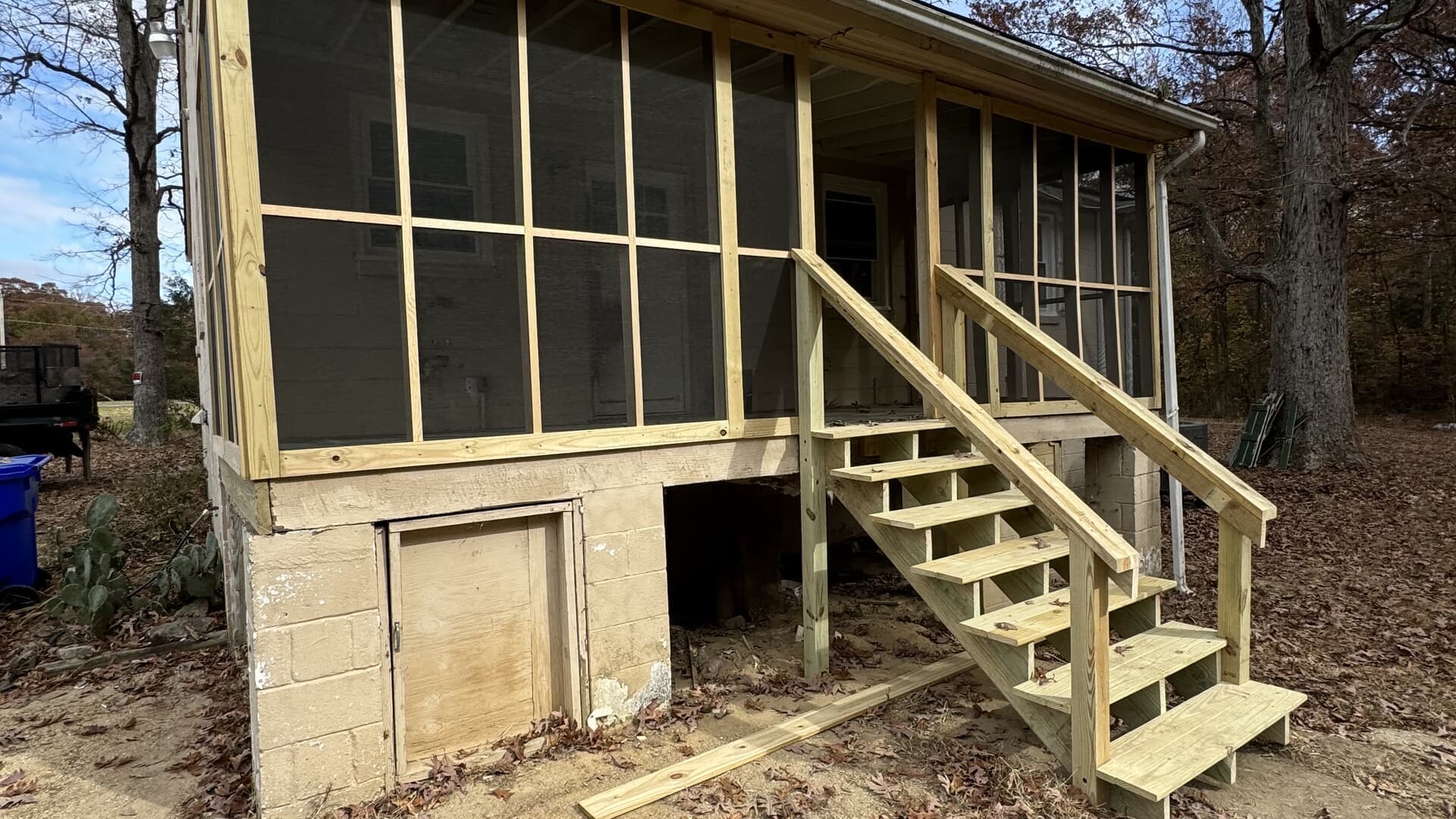
Homeowners in this area frequently invest in projects that adapt older homes to contemporary needs while respecting the rural character that drew them here in the first place. Deck construction and patio additions take advantage of views across open fields and tree lines. Basement finishing creates usable space in homes originally built with minimal below-grade improvements. Kitchen and bathroom remodels update rooms that may not have seen significant changes in decades, incorporating modern plumbing, efficient lighting, and finishes that blend comfort with the home’s original aesthetic. Winter months, when outdoor activity slows and indoor projects become more practical, often see increased demand for interior renovations. A remodeler attuned to the rhythms of rural southern Maryland understands these seasonal patterns and plans projects to minimize disruption and maximize quality.
Investment in heritage driving regional growth
Community investment in Port Tobacco’s preservation reflects a broader commitment to heritage stewardship that resonates throughout Charles County. Local historical societies, preservation advocates, and county agencies collaborate to maintain public sites, conduct archaeological research, and educate visitors about the area’s significance. The restored courthouse, archaeological park, and interpretive signage create a framework for understanding the region’s evolution from colonial entrepôt to agricultural hinterland to modern residential community. This civic pride extends beyond public landmarks to private properties, where homeowners recognize their role as custodians of a living historical landscape.
For families considering relocation or long-term investment in the Port Tobacco area, this culture of stewardship offers both appeal and responsibility. Properties here often require ongoing maintenance that honors original construction while accommodating contemporary standards for safety, energy efficiency, and comfort. Roof repairs must account for traditional pitch and materials. Flooring installations balance authentic appearance with durability for active households. Home additions demand careful design to complement existing massing and proportions. Skilled contractors who understand the interplay between preservation principles and practical homeowner needs become trusted partners in these projects, helping families adapt historic structures to 21st-century living without diminishing the qualities that make Port Tobacco distinctive. As summer heat and humidity test older homes’ ventilation and cooling systems, thoughtful upgrades improve comfort while maintaining the architectural character that defines the community.
Practical considerations for property stewardship
The ongoing preservation work in Port Tobacco has created measurable economic benefits that extend well beyond tourism revenue. Heritage conservation projects require skilled tradespeople familiar with traditional materials and period-appropriate techniques, generating steady demand for specialized construction services throughout Charles County. As property values in historically significant areas continue to appreciate, homeowners increasingly recognize that thoughtful renovations honoring architectural context yield superior returns compared to generic updates that ignore local character.
This intersection of preservation values and practical homeownership creates unique opportunities for property improvements. Families purchasing older homes in the Port Tobacco vicinity often face decisions about updating kitchens, bathrooms, and living spaces while respecting the original structure’s integrity. A qualified remodeler who understands both modern building codes and traditional construction can navigate these challenges, creating comfortable, functional interiors that complement rather than compromise historic exteriors. Spring and fall represent particularly active seasons for such projects, as moderate temperatures allow crews to work efficiently on exterior envelope repairs, deck construction, and other outdoor improvements that prepare properties for Maryland’s humid summers and damp winters.
Regional growth patterns also influence renovation priorities. As commuters discover Charles County’s relative affordability and rural appeal, demand rises for home additions, finished basements, and outdoor living spaces that maximize existing properties rather than requiring new construction. This trend aligns naturally with preservation philosophy, encouraging residents to invest in the homes and neighborhoods they already occupy rather than contributing to sprawl that erodes the agricultural and forested landscapes surrounding Port Tobacco.